
- Microgreen seeds. From kale, spinach, radish, broccoli, beets and wheatgrass, when it comes to microgreens, the sky (and soil!) is the limit
- Misting bottle filled with water
- Upcycled plastic or aluminum take-out container or plate
- Miracle-Gro® Seed Starting Potting Mix
- Plastic wrap

begonias
aka begoniaceae or begonia semperflorens
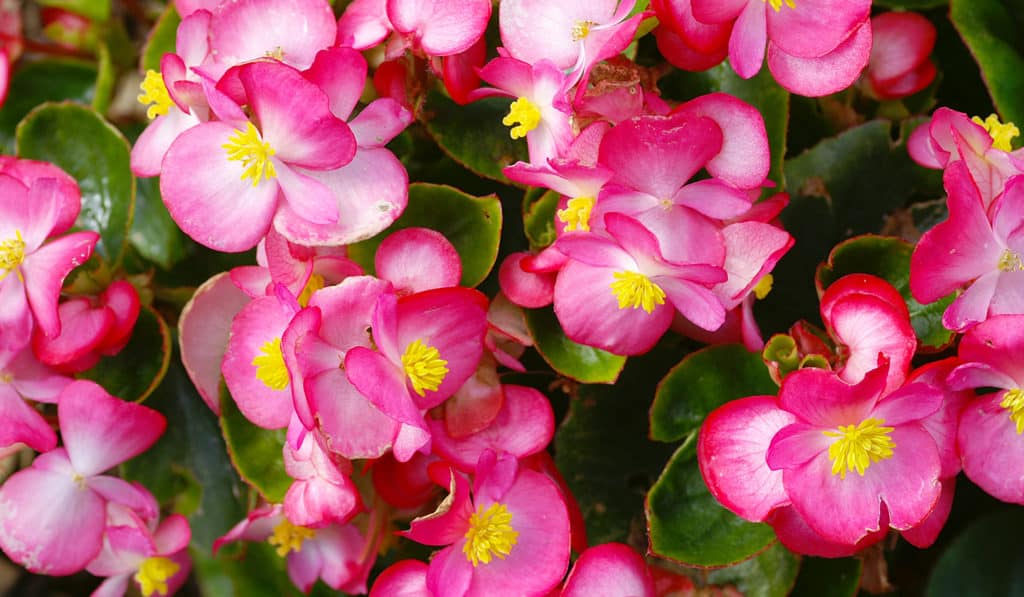
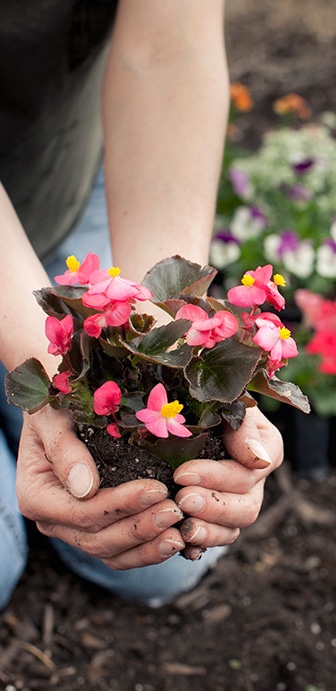
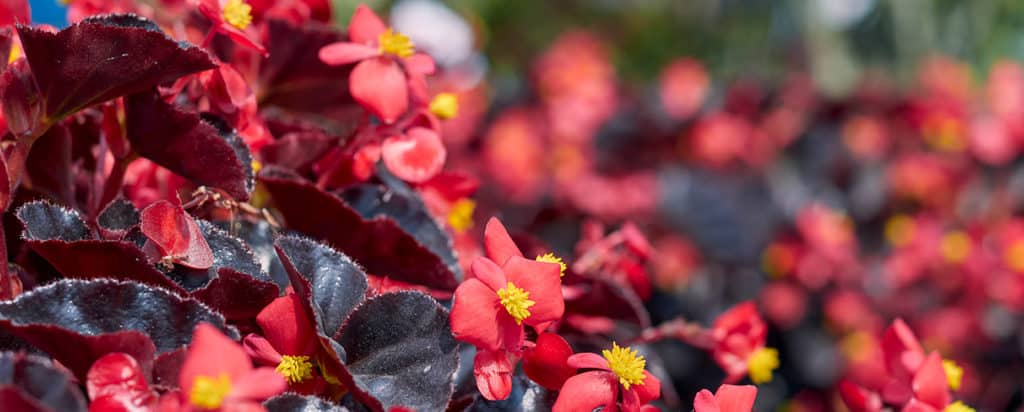
Begonias are popular houseplants and shaded garden beds. They have tropical/sub-tropical origins, and are known for their interesting, asymmetrical leaves. They add a bright punch of colour to a garden bed because of their bright, small flowers and variegated leaves.
variations
Wax begonias, Tuberous begonias, Cane begonias, Rhizomatous begonias, Rex begonias

light
filtered sun
Partial shade or filtered light

water + feeding
not too thirsty
Regular watering is important for healthy plants. The soil should remain moist at all times, but not too wet, as this can cause root rot. Water at the base of the plant to keep the foliage dry and prevent leaf spot and fungal diseases. For general growing purposes, apply a balanced water-soluble fertilizer once a month in the growing season. For plants grown strictly for their foliage, like angel wings, use a fertilizer that is higher in nitrogen.

toxic
somewhat
Although its most toxic parts are underground, it’s still best to keep begonias out of reach of your pets

size
mostly medium
Wax begonias: Wax begonias are typically grown as annuals, reaching 6 to 12 inches tall and wide. Tuberous begonias: They also have a larger growth habit than wax begonias, growing 12 to 18 inches tall as houseplants and up to 3 feet or more in outdoor containers. Cane begonias: Their size varies with growing conditions, from 6- to 12-inch houseplants to bushy plants up to 5 feet. Rhizomatous begonias: Sizes vary from just a few inches to large plants up to 3 feet tall and wide. Rex begonias: generally reach 12 to 18 inches tall and wide.

pro tip
happily root-bound?
Potted begonias prefer to be slightly root-bound rather than given too much room. Only repot when necessary, and preferably in spring before plants are moved outside and start actively growing. Select darker-leaved varieties or types with improved heat and sun tolerance for sunnier spots.

fun fact
cousins to pumpkins
The flower is related to pumpkins, squash, gourds, cucumbers and melons. Tuberous and wax begonias are edible and have a citrusy taste. The name Begonia honours Michel Begon, a former governor and amateur botanist.
beyond the basics
-
soil & potting
All begonias like evenly moist, well-draining soil with some added organic matter. Plant wax begonia transplants 6 to 8 inches apart and others according to their mature size. Tubers can be started indoors by placing the tubers, hollow side up, 1 inch apart in a shallow tray with moist potting mix. Place the tray in a dark room and water just enough to keep the potting mix moist, but not soggy. Tubers should sprout in about 4 weeks and be moved to an area with bright light once the sprouts are about an inch tall. Only plant outdoors when there is no longer a threat of frost.
-
companion planting
Begonias look great planted together, or with cascading annuals like alyssum and lobelia. Try pairing them with Hosta or Bergenia in shade gardens.
-
blooms
When cutting back rhizomatous or wax types, make a clean, angled cut just above a leaf or flower node. To encourage fuller growth, younger plants (under 3 years) can be cut back to one or two nodes above the soil. Plants that are older should only be pruned lightly.
For cane begonias, pinch the tops when plants are about 6 inches tall to encourage bushier growth. Cut any canes that are much taller than the rest of the plant back to the soil. Remove old, brown, bare, or dead canes to the soil. Younger plants can be cut back by about 1/2.
Rex begonias require little pruning. Pinch back young plants to encourage fuller growth, and remove any leggy or bare stems as needed.
For all types, cut off spent begonia flowers about 1/2-inch below the flower to keep plants clean and healthy, as well as promote more blooms.
-
pest control
Susceptible to powdery mildew, mealybugs, spider mites, thrips, and whitefly. Stem rot and rhizome rot can be caused by overwatering and soggy soil.
troubleshooting
-
spotted flowers?
Blooms may be damaged by improper watering. Your Begonia’s flowers are likely getting brown or transparent blotches where water drops have soaked through the petal. To prevent this, shield your petals when watering or be sure to hold the hose close to the soil versus above the plant.
-
white, powdery leaves?
This is mildew caused by a fungus that lives on the surface of your plant. Mildew will coat your Begonias in a white or gray powdery mold. Mildew will cause your Begonia’s leaves to discolour and drop off. To avoid this, be sure to allow adequate space between plants and collect any debris that falls around the base of the plant. Be sure not to overwater your plant!
-
dropping buds?
Could be caused by either over or under watering your plant, especially if they dry out completely between watering. Although tuberous begonias do best when the soil surface dries out slightly between waterings, try not to let them dry out completely. A sudden temperature change from hot to cold could also cause buds to drop off.
-
faded flowers?
Could be a result of a fungal disease that often results from poor ventilation, insufficient light or high humidity. Remove those faded flowers and be sure that your Begonias are planted in a well-ventilated area that receives adequate light, versus in a shady area. If the growing season is especially humid, gray mold may appear despite precautions. In such a case, destroy infected plant parts, and spray buds and blooms with flowable sulfur fungicide every 3 to 5 days.
begonias
aka begoniaceae or begonia semperflorens
Begonias are popular houseplants and shaded garden beds. They have tropical/sub-tropical origins, and are known for their interesting, asymmetrical leaves. They add a bright punch of colour to a garden bed because of their bright, small flowers and variegated leaves.
variations
Wax begonias, Tuberous begonias, Cane begonias, Rhizomatous begonias, Rex begonias
light
filtered sun
Partial shade or filtered light
water + feeding
not too thirsty
Regular watering is important for healthy plants. The soil should remain moist at all times, but not too wet, as this can cause root rot. Water at the base of the plant to keep the foliage dry and prevent leaf spot and fungal diseases. For general growing purposes, apply a balanced water-soluble fertilizer once a month in the growing season. For plants grown strictly for their foliage, like angel wings, use a fertilizer that is higher in nitrogen.
toxic
somewhat
Although its most toxic parts are underground, it’s still best to keep begonias out of reach of your pets
size
mostly medium
Wax begonias: Wax begonias are typically grown as annuals, reaching 6 to 12 inches tall and wide. Tuberous begonias: They also have a larger growth habit than wax begonias, growing 12 to 18 inches tall as houseplants and up to 3 feet or more in outdoor containers. Cane begonias: Their size varies with growing conditions, from 6- to 12-inch houseplants to bushy plants up to 5 feet. Rhizomatous begonias: Sizes vary from just a few inches to large plants up to 3 feet tall and wide. Rex begonias: generally reach 12 to 18 inches tall and wide.
pro tip
happily root-bound?
Potted begonias prefer to be slightly root-bound rather than given too much room. Only repot when necessary, and preferably in spring before plants are moved outside and start actively growing. Select darker-leaved varieties or types with improved heat and sun tolerance for sunnier spots.
fun fact
cousins to pumpkins
The flower is related to pumpkins, squash, gourds, cucumbers and melons. Tuberous and wax begonias are edible and have a citrusy taste. The name Begonia honours Michel Begon, a former governor and amateur botanist.
beyond the basics
-
soil & potting
All begonias like evenly moist, well-draining soil with some added organic matter. Plant wax begonia transplants 6 to 8 inches apart and others according to their mature size. Tubers can be started indoors by placing the tubers, hollow side up, 1 inch apart in a shallow tray with moist potting mix. Place the tray in a dark room and water just enough to keep the potting mix moist, but not soggy. Tubers should sprout in about 4 weeks and be moved to an area with bright light once the sprouts are about an inch tall. Only plant outdoors when there is no longer a threat of frost.
-
companion planting
Begonias look great planted together, or with cascading annuals like alyssum and lobelia. Try pairing them with Hosta or Bergenia in shade gardens.
-
blooms
When cutting back rhizomatous or wax types, make a clean, angled cut just above a leaf or flower node. To encourage fuller growth, younger plants (under 3 years) can be cut back to one or two nodes above the soil. Plants that are older should only be pruned lightly.
For cane begonias, pinch the tops when plants are about 6 inches tall to encourage bushier growth. Cut any canes that are much taller than the rest of the plant back to the soil. Remove old, brown, bare, or dead canes to the soil. Younger plants can be cut back by about 1/2.
Rex begonias require little pruning. Pinch back young plants to encourage fuller growth, and remove any leggy or bare stems as needed.
For all types, cut off spent begonia flowers about 1/2-inch below the flower to keep plants clean and healthy, as well as promote more blooms.
-
pest control
Susceptible to powdery mildew, mealybugs, spider mites, thrips, and whitefly. Stem rot and rhizome rot can be caused by overwatering and soggy soil.
troubleshooting
-
spotted flowers?
Blooms may be damaged by improper watering. Your Begonia’s flowers are likely getting brown or transparent blotches where water drops have soaked through the petal. To prevent this, shield your petals when watering or be sure to hold the hose close to the soil versus above the plant.
-
white, powdery leaves?
This is mildew caused by a fungus that lives on the surface of your plant. Mildew will coat your Begonias in a white or gray powdery mold. Mildew will cause your Begonia’s leaves to discolour and drop off. To avoid this, be sure to allow adequate space between plants and collect any debris that falls around the base of the plant. Be sure not to overwater your plant!
-
dropping buds?
Could be caused by either over or under watering your plant, especially if they dry out completely between watering. Although tuberous begonias do best when the soil surface dries out slightly between waterings, try not to let them dry out completely. A sudden temperature change from hot to cold could also cause buds to drop off.
-
faded flowers?
Could be a result of a fungal disease that often results from poor ventilation, insufficient light or high humidity. Remove those faded flowers and be sure that your Begonias are planted in a well-ventilated area that receives adequate light, versus in a shady area. If the growing season is especially humid, gray mold may appear despite precautions. In such a case, destroy infected plant parts, and spray buds and blooms with flowable sulfur fungicide every 3 to 5 days.
begonias
aka begoniaceae or begonia semperflorens
Begonias are popular houseplants and shaded garden beds. They have tropical/sub-tropical origins, and are known for their interesting, asymmetrical leaves. They add a bright punch of colour to a garden bed because of their bright, small flowers and variegated leaves.
variations
Wax begonias, Tuberous begonias, Cane begonias, Rhizomatous begonias, Rex begonias
light
filtered sun
Partial shade or filtered light
water + feeding
not too thirsty
Regular watering is important for healthy plants. The soil should remain moist at all times, but not too wet, as this can cause root rot. Water at the base of the plant to keep the foliage dry and prevent leaf spot and fungal diseases. For general growing purposes, apply a balanced water-soluble fertilizer once a month in the growing season. For plants grown strictly for their foliage, like angel wings, use a fertilizer that is higher in nitrogen.
toxic
somewhat
Although its most toxic parts are underground, it’s still best to keep begonias out of reach of your pets
size
mostly medium
Wax begonias: Wax begonias are typically grown as annuals, reaching 6 to 12 inches tall and wide. Tuberous begonias: They also have a larger growth habit than wax begonias, growing 12 to 18 inches tall as houseplants and up to 3 feet or more in outdoor containers. Cane begonias: Their size varies with growing conditions, from 6- to 12-inch houseplants to bushy plants up to 5 feet. Rhizomatous begonias: Sizes vary from just a few inches to large plants up to 3 feet tall and wide. Rex begonias: generally reach 12 to 18 inches tall and wide.
pro tip
happily root-bound?
Potted begonias prefer to be slightly root-bound rather than given too much room. Only repot when necessary, and preferably in spring before plants are moved outside and start actively growing. Select darker-leaved varieties or types with improved heat and sun tolerance for sunnier spots.
fun fact
cousins to pumpkins
The flower is related to pumpkins, squash, gourds, cucumbers and melons. Tuberous and wax begonias are edible and have a citrusy taste. The name Begonia honours Michel Begon, a former governor and amateur botanist.
beyond the basics
-
soil & potting
All begonias like evenly moist, well-draining soil with some added organic matter. Plant wax begonia transplants 6 to 8 inches apart and others according to their mature size. Tubers can be started indoors by placing the tubers, hollow side up, 1 inch apart in a shallow tray with moist potting mix. Place the tray in a dark room and water just enough to keep the potting mix moist, but not soggy. Tubers should sprout in about 4 weeks and be moved to an area with bright light once the sprouts are about an inch tall. Only plant outdoors when there is no longer a threat of frost.
-
companion planting
Begonias look great planted together, or with cascading annuals like alyssum and lobelia. Try pairing them with Hosta or Bergenia in shade gardens.
-
blooms
When cutting back rhizomatous or wax types, make a clean, angled cut just above a leaf or flower node. To encourage fuller growth, younger plants (under 3 years) can be cut back to one or two nodes above the soil. Plants that are older should only be pruned lightly.
For cane begonias, pinch the tops when plants are about 6 inches tall to encourage bushier growth. Cut any canes that are much taller than the rest of the plant back to the soil. Remove old, brown, bare, or dead canes to the soil. Younger plants can be cut back by about 1/2.
Rex begonias require little pruning. Pinch back young plants to encourage fuller growth, and remove any leggy or bare stems as needed.
For all types, cut off spent begonia flowers about 1/2-inch below the flower to keep plants clean and healthy, as well as promote more blooms.
-
pest control
Susceptible to powdery mildew, mealybugs, spider mites, thrips, and whitefly. Stem rot and rhizome rot can be caused by overwatering and soggy soil.
troubleshooting
-
spotted flowers?
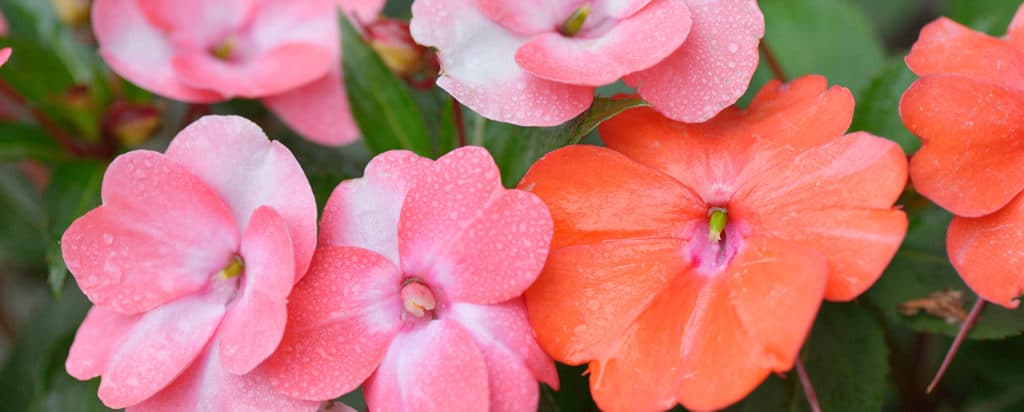
Blooms may be damaged by improper watering. Your Begonia’s flowers are likely getting brown or transparent blotches where water drops have soaked through the petal. To prevent this, shield your petals when watering or be sure to hold the hose close to the soil versus above the plant.
-
white, powdery leaves?
This is mildew caused by a fungus that lives on the surface of your plant. Mildew will coat your Begonias in a white or gray powdery mold. Mildew will cause your Begonia’s leaves to discolour and drop off. To avoid this, be sure to allow adequate space between plants and collect any debris that falls around the base of the plant. Be sure not to overwater your plant!
-
dropping buds?
Could be caused by either over or under watering your plant, especially if they dry out completely between watering. Although tuberous begonias do best when the soil surface dries out slightly between waterings, try not to let them dry out completely. A sudden temperature change from hot to cold could also cause buds to drop off.
-
faded flowers?
Could be a result of a fungal disease that often results from poor ventilation, insufficient light or high humidity. Remove those faded flowers and be sure that your Begonias are planted in a well-ventilated area that receives adequate light, versus in a shady area. If the growing season is especially humid, gray mold may appear despite precautions. In such a case, destroy infected plant parts, and spray buds and blooms with flowable sulfur fungicide every 3 to 5 days.
begonias
aka begoniaceae or begonia semperflorens
Begonias are popular houseplants and shaded garden beds. They have tropical/sub-tropical origins, and are known for their interesting, asymmetrical leaves. They add a bright punch of colour to a garden bed because of their bright, small flowers and variegated leaves.
variations
Wax begonias, Tuberous begonias, Cane begonias, Rhizomatous begonias, Rex begonias
light
filtered sun
Partial shade or filtered light
water + feeding
not too thirsty
Regular watering is important for healthy plants. The soil should remain moist at all times, but not too wet, as this can cause root rot. Water at the base of the plant to keep the foliage dry and prevent leaf spot and fungal diseases. For general growing purposes, apply a balanced water-soluble fertilizer once a month in the growing season. For plants grown strictly for their foliage, like angel wings, use a fertilizer that is higher in nitrogen.
toxic
somewhat
Although its most toxic parts are underground, it’s still best to keep begonias out of reach of your pets
size
mostly medium
Wax begonias: Wax begonias are typically grown as annuals, reaching 6 to 12 inches tall and wide. Tuberous begonias: They also have a larger growth habit than wax begonias, growing 12 to 18 inches tall as houseplants and up to 3 feet or more in outdoor containers. Cane begonias: Their size varies with growing conditions, from 6- to 12-inch houseplants to bushy plants up to 5 feet. Rhizomatous begonias: Sizes vary from just a few inches to large plants up to 3 feet tall and wide. Rex begonias: generally reach 12 to 18 inches tall and wide.
pro tip
happily root-bound?
Potted begonias prefer to be slightly root-bound rather than given too much room. Only repot when necessary, and preferably in spring before plants are moved outside and start actively growing. Select darker-leaved varieties or types with improved heat and sun tolerance for sunnier spots.
fun fact
cousins to pumpkins
The flower is related to pumpkins, squash, gourds, cucumbers and melons. Tuberous and wax begonias are edible and have a citrusy taste. The name Begonia honours Michel Begon, a former governor and amateur botanist.

beyond the basics
-
soil & potting
All begonias like evenly moist, well-draining soil with some added organic matter. Plant wax begonia transplants 6 to 8 inches apart and others according to their mature size. Tubers can be started indoors by placing the tubers, hollow side up, 1 inch apart in a shallow tray with moist potting mix. Place the tray in a dark room and water just enough to keep the potting mix moist, but not soggy. Tubers should sprout in about 4 weeks and be moved to an area with bright light once the sprouts are about an inch tall. Only plant outdoors when there is no longer a threat of frost.
-
companion planting
Begonias look great planted together, or with cascading annuals like alyssum and lobelia. Try pairing them with Hosta or Bergenia in shade gardens.
-
blooms
When cutting back rhizomatous or wax types, make a clean, angled cut just above a leaf or flower node. To encourage fuller growth, younger plants (under 3 years) can be cut back to one or two nodes above the soil. Plants that are older should only be pruned lightly.
For cane begonias, pinch the tops when plants are about 6 inches tall to encourage bushier growth. Cut any canes that are much taller than the rest of the plant back to the soil. Remove old, brown, bare, or dead canes to the soil. Younger plants can be cut back by about 1/2.
Rex begonias require little pruning. Pinch back young plants to encourage fuller growth, and remove any leggy or bare stems as needed.
For all types, cut off spent begonia flowers about 1/2-inch below the flower to keep plants clean and healthy, as well as promote more blooms.
-
pest control
Susceptible to powdery mildew, mealybugs, spider mites, thrips, and whitefly. Stem rot and rhizome rot can be caused by overwatering and soggy soil.

troubleshooting
-
spotted flowers?
Blooms may be damaged by improper watering. Your Begonia’s flowers are likely getting brown or transparent blotches where water drops have soaked through the petal. To prevent this, shield your petals when watering or be sure to hold the hose close to the soil versus above the plant.
-
white, powdery leaves?
This is mildew caused by a fungus that lives on the surface of your plant. Mildew will coat your Begonias in a white or gray powdery mold. Mildew will cause your Begonia’s leaves to discolour and drop off. To avoid this, be sure to allow adequate space between plants and collect any debris that falls around the base of the plant. Be sure not to overwater your plant!
-
dropping buds?
Could be caused by either over or under watering your plant, especially if they dry out completely between watering. Although tuberous begonias do best when the soil surface dries out slightly between waterings, try not to let them dry out completely. A sudden temperature change from hot to cold could also cause buds to drop off.
-
faded flowers?
Could be a result of a fungal disease that often results from poor ventilation, insufficient light or high humidity. Remove those faded flowers and be sure that your Begonias are planted in a well-ventilated area that receives adequate light, versus in a shady area. If the growing season is especially humid, gray mold may appear despite precautions. In such a case, destroy infected plant parts, and spray buds and blooms with flowable sulfur fungicide every 3 to 5 days.
begonias
aka begoniaceae or begonia semperflorens
Begonias are popular houseplants and shaded garden beds. They have tropical/sub-tropical origins, and are known for their interesting, asymmetrical leaves. They add a bright punch of colour to a garden bed because of their bright, small flowers and variegated leaves.
variations
Wax begonias, Tuberous begonias, Cane begonias, Rhizomatous begonias, Rex begonias
light
filtered sun
Partial shade or filtered light
water + feeding
not too thirsty
Regular watering is important for healthy plants. The soil should remain moist at all times, but not too wet, as this can cause root rot. Water at the base of the plant to keep the foliage dry and prevent leaf spot and fungal diseases. For general growing purposes, apply a balanced water-soluble fertilizer once a month in the growing season. For plants grown strictly for their foliage, like angel wings, use a fertilizer that is higher in nitrogen.
toxic
somewhat
Although its most toxic parts are underground, it’s still best to keep begonias out of reach of your pets
size
mostly medium
Wax begonias: Wax begonias are typically grown as annuals, reaching 6 to 12 inches tall and wide. Tuberous begonias: They also have a larger growth habit than wax begonias, growing 12 to 18 inches tall as houseplants and up to 3 feet or more in outdoor containers. Cane begonias: Their size varies with growing conditions, from 6- to 12-inch houseplants to bushy plants up to 5 feet. Rhizomatous begonias: Sizes vary from just a few inches to large plants up to 3 feet tall and wide. Rex begonias: generally reach 12 to 18 inches tall and wide.
pro tip
happily root-bound?
Potted begonias prefer to be slightly root-bound rather than given too much room. Only repot when necessary, and preferably in spring before plants are moved outside and start actively growing. Select darker-leaved varieties or types with improved heat and sun tolerance for sunnier spots.
fun fact
cousins to pumpkins
The flower is related to pumpkins, squash, gourds, cucumbers and melons. Tuberous and wax begonias are edible and have a citrusy taste. The name Begonia honours Michel Begon, a former governor and amateur botanist.

beyond the basics
-
soil & potting
All begonias like evenly moist, well-draining soil with some added organic matter. Plant wax begonia transplants 6 to 8 inches apart and others according to their mature size. Tubers can be started indoors by placing the tubers, hollow side up, 1 inch apart in a shallow tray with moist potting mix. Place the tray in a dark room and water just enough to keep the potting mix moist, but not soggy. Tubers should sprout in about 4 weeks and be moved to an area with bright light once the sprouts are about an inch tall. Only plant outdoors when there is no longer a threat of frost.
-
companion planting
Begonias look great planted together, or with cascading annuals like alyssum and lobelia. Try pairing them with Hosta or Bergenia in shade gardens.
-
blooms
When cutting back rhizomatous or wax types, make a clean, angled cut just above a leaf or flower node. To encourage fuller growth, younger plants (under 3 years) can be cut back to one or two nodes above the soil. Plants that are older should only be pruned lightly.
For cane begonias, pinch the tops when plants are about 6 inches tall to encourage bushier growth. Cut any canes that are much taller than the rest of the plant back to the soil. Remove old, brown, bare, or dead canes to the soil. Younger plants can be cut back by about 1/2.
Rex begonias require little pruning. Pinch back young plants to encourage fuller growth, and remove any leggy or bare stems as needed.
For all types, cut off spent begonia flowers about 1/2-inch below the flower to keep plants clean and healthy, as well as promote more blooms.
-
pest control
Susceptible to powdery mildew, mealybugs, spider mites, thrips, and whitefly. Stem rot and rhizome rot can be caused by overwatering and soggy soil.

troubleshooting
-
spotted flowers?
Blooms may be damaged by improper watering. Your Begonia’s flowers are likely getting brown or transparent blotches where water drops have soaked through the petal. To prevent this, shield your petals when watering or be sure to hold the hose close to the soil versus above the plant.
-
white, powdery leaves?
This is mildew caused by a fungus that lives on the surface of your plant. Mildew will coat your Begonias in a white or gray powdery mold. Mildew will cause your Begonia’s leaves to discolour and drop off. To avoid this, be sure to allow adequate space between plants and collect any debris that falls around the base of the plant. Be sure not to overwater your plant!
-
dropping buds?
Could be caused by either over or under watering your plant, especially if they dry out completely between watering. Although tuberous begonias do best when the soil surface dries out slightly between waterings, try not to let them dry out completely. A sudden temperature change from hot to cold could also cause buds to drop off.
-
faded flowers?
Could be a result of a fungal disease that often results from poor ventilation, insufficient light or high humidity. Remove those faded flowers and be sure that your Begonias are planted in a well-ventilated area that receives adequate light, versus in a shady area. If the growing season is especially humid, gray mold may appear despite precautions. In such a case, destroy infected plant parts, and spray buds and blooms with flowable sulfur fungicide every 3 to 5 days.
begonias
aka begoniaceae or begonia semperflorens
Begonias are popular houseplants and shaded garden beds. They have tropical/sub-tropical origins, and are known for their interesting, asymmetrical leaves. They add a bright punch of colour to a garden bed because of their bright, small flowers and variegated leaves.
variations
Wax begonias, Tuberous begonias, Cane begonias, Rhizomatous begonias, Rex begonias
light
filtered sun
Partial shade or filtered light
water + feeding
not too thirsty
Regular watering is important for healthy plants. The soil should remain moist at all times, but not too wet, as this can cause root rot. Water at the base of the plant to keep the foliage dry and prevent leaf spot and fungal diseases. For general growing purposes, apply a balanced water-soluble fertilizer once a month in the growing season. For plants grown strictly for their foliage, like angel wings, use a fertilizer that is higher in nitrogen.
toxic
somewhat
Although its most toxic parts are underground, it’s still best to keep begonias out of reach of your pets
size
mostly medium
Wax begonias: Wax begonias are typically grown as annuals, reaching 6 to 12 inches tall and wide. Tuberous begonias: They also have a larger growth habit than wax begonias, growing 12 to 18 inches tall as houseplants and up to 3 feet or more in outdoor containers. Cane begonias: Their size varies with growing conditions, from 6- to 12-inch houseplants to bushy plants up to 5 feet. Rhizomatous begonias: Sizes vary from just a few inches to large plants up to 3 feet tall and wide. Rex begonias: generally reach 12 to 18 inches tall and wide.
pro tip
happily root-bound?
Potted begonias prefer to be slightly root-bound rather than given too much room. Only repot when necessary, and preferably in spring before plants are moved outside and start actively growing. Select darker-leaved varieties or types with improved heat and sun tolerance for sunnier spots.
fun fact
cousins to pumpkins
The flower is related to pumpkins, squash, gourds, cucumbers and melons. Tuberous and wax begonias are edible and have a citrusy taste. The name Begonia honours Michel Begon, a former governor and amateur botanist.

beyond the basics
-
soil & potting
All begonias like evenly moist, well-draining soil with some added organic matter. Plant wax begonia transplants 6 to 8 inches apart and others according to their mature size. Tubers can be started indoors by placing the tubers, hollow side up, 1 inch apart in a shallow tray with moist potting mix. Place the tray in a dark room and water just enough to keep the potting mix moist, but not soggy. Tubers should sprout in about 4 weeks and be moved to an area with bright light once the sprouts are about an inch tall. Only plant outdoors when there is no longer a threat of frost.
-
companion planting
Begonias look great planted together, or with cascading annuals like alyssum and lobelia. Try pairing them with Hosta or Bergenia in shade gardens.
-
blooms
When cutting back rhizomatous or wax types, make a clean, angled cut just above a leaf or flower node. To encourage fuller growth, younger plants (under 3 years) can be cut back to one or two nodes above the soil. Plants that are older should only be pruned lightly.
For cane begonias, pinch the tops when plants are about 6 inches tall to encourage bushier growth. Cut any canes that are much taller than the rest of the plant back to the soil. Remove old, brown, bare, or dead canes to the soil. Younger plants can be cut back by about 1/2.
Rex begonias require little pruning. Pinch back young plants to encourage fuller growth, and remove any leggy or bare stems as needed.
For all types, cut off spent begonia flowers about 1/2-inch below the flower to keep plants clean and healthy, as well as promote more blooms.
-
pest control
Susceptible to powdery mildew, mealybugs, spider mites, thrips, and whitefly. Stem rot and rhizome rot can be caused by overwatering and soggy soil.

troubleshooting
-
spotted flowers?
Blooms may be damaged by improper watering. Your Begonia’s flowers are likely getting brown or transparent blotches where water drops have soaked through the petal. To prevent this, shield your petals when watering or be sure to hold the hose close to the soil versus above the plant.
-
white, powdery leaves?
This is mildew caused by a fungus that lives on the surface of your plant. Mildew will coat your Begonias in a white or gray powdery mold. Mildew will cause your Begonia’s leaves to discolour and drop off. To avoid this, be sure to allow adequate space between plants and collect any debris that falls around the base of the plant. Be sure not to overwater your plant!
-
dropping buds?
Could be caused by either over or under watering your plant, especially if they dry out completely between watering. Although tuberous begonias do best when the soil surface dries out slightly between waterings, try not to let them dry out completely. A sudden temperature change from hot to cold could also cause buds to drop off.
-
faded flowers?
Could be a result of a fungal disease that often results from poor ventilation, insufficient light or high humidity. Remove those faded flowers and be sure that your Begonias are planted in a well-ventilated area that receives adequate light, versus in a shady area. If the growing season is especially humid, gray mold may appear despite precautions. In such a case, destroy infected plant parts, and spray buds and blooms with flowable sulfur fungicide every 3 to 5 days.
begonias
aka begoniaceae or begonia semperflorens
Begonias are popular houseplants and shaded garden beds. They have tropical/sub-tropical origins, and are known for their interesting, asymmetrical leaves. They add a bright punch of colour to a garden bed because of their bright, small flowers and variegated leaves.
variations
Wax begonias, Tuberous begonias, Cane begonias, Rhizomatous begonias, Rex begonias
light
filtered sun
Partial shade or filtered light
water + feeding
not too thirsty
Regular watering is important for healthy plants. The soil should remain moist at all times, but not too wet, as this can cause root rot. Water at the base of the plant to keep the foliage dry and prevent leaf spot and fungal diseases. For general growing purposes, apply a balanced water-soluble fertilizer once a month in the growing season. For plants grown strictly for their foliage, like angel wings, use a fertilizer that is higher in nitrogen.
toxic
somewhat
Although its most toxic parts are underground, it’s still best to keep begonias out of reach of your pets
size
mostly medium
Wax begonias: Wax begonias are typically grown as annuals, reaching 6 to 12 inches tall and wide. Tuberous begonias: They also have a larger growth habit than wax begonias, growing 12 to 18 inches tall as houseplants and up to 3 feet or more in outdoor containers. Cane begonias: Their size varies with growing conditions, from 6- to 12-inch houseplants to bushy plants up to 5 feet. Rhizomatous begonias: Sizes vary from just a few inches to large plants up to 3 feet tall and wide. Rex begonias: generally reach 12 to 18 inches tall and wide.
pro tip
happily root-bound?
Potted begonias prefer to be slightly root-bound rather than given too much room. Only repot when necessary, and preferably in spring before plants are moved outside and start actively growing. Select darker-leaved varieties or types with improved heat and sun tolerance for sunnier spots.
fun fact
cousins to pumpkins
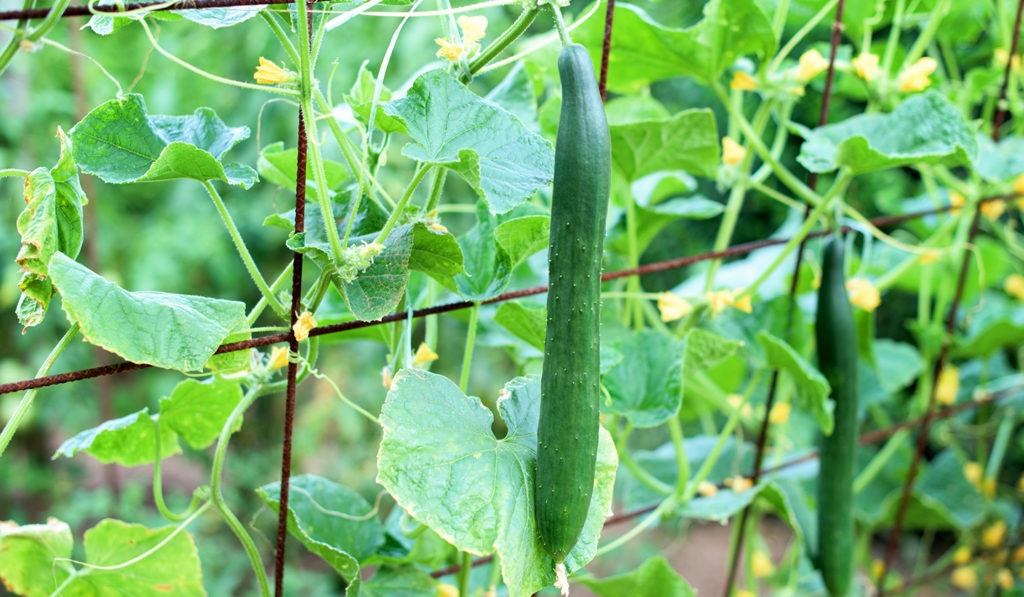
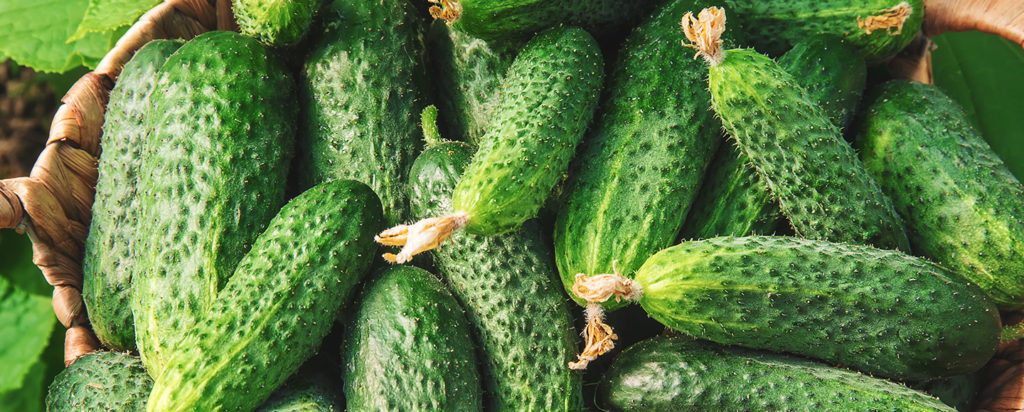
The flower is related to pumpkins, squash, gourds, cucumbers and melons. Tuberous and wax begonias are edible and have a citrusy taste. The name Begonia honours Michel Begon, a former governor and amateur botanist.
beyond the basics
-
soil & potting
All begonias like evenly moist, well-draining soil with some added organic matter. Plant wax begonia transplants 6 to 8 inches apart and others according to their mature size. Tubers can be started indoors by placing the tubers, hollow side up, 1 inch apart in a shallow tray with moist potting mix. Place the tray in a dark room and water just enough to keep the potting mix moist, but not soggy. Tubers should sprout in about 4 weeks and be moved to an area with bright light once the sprouts are about an inch tall. Only plant outdoors when there is no longer a threat of frost.
-
companion planting
Begonias look great planted together, or with cascading annuals like alyssum and lobelia. Try pairing them with Hosta or Bergenia in shade gardens.
-
blooms
When cutting back rhizomatous or wax types, make a clean, angled cut just above a leaf or flower node. To encourage fuller growth, younger plants (under 3 years) can be cut back to one or two nodes above the soil. Plants that are older should only be pruned lightly.
For cane begonias, pinch the tops when plants are about 6 inches tall to encourage bushier growth. Cut any canes that are much taller than the rest of the plant back to the soil. Remove old, brown, bare, or dead canes to the soil. Younger plants can be cut back by about 1/2.
Rex begonias require little pruning. Pinch back young plants to encourage fuller growth, and remove any leggy or bare stems as needed.
For all types, cut off spent begonia flowers about 1/2-inch below the flower to keep plants clean and healthy, as well as promote more blooms.
-
pest control
Susceptible to powdery mildew, mealybugs, spider mites, thrips, and whitefly. Stem rot and rhizome rot can be caused by overwatering and soggy soil.
troubleshooting
-
spotted flowers?
Blooms may be damaged by improper watering. Your Begonia’s flowers are likely getting brown or transparent blotches where water drops have soaked through the petal. To prevent this, shield your petals when watering or be sure to hold the hose close to the soil versus above the plant.
-
white, powdery leaves?
This is mildew caused by a fungus that lives on the surface of your plant. Mildew will coat your Begonias in a white or gray powdery mold. Mildew will cause your Begonia’s leaves to discolour and drop off. To avoid this, be sure to allow adequate space between plants and collect any debris that falls around the base of the plant. Be sure not to overwater your plant!
-
dropping buds?
Could be caused by either over or under watering your plant, especially if they dry out completely between watering. Although tuberous begonias do best when the soil surface dries out slightly between waterings, try not to let them dry out completely. A sudden temperature change from hot to cold could also cause buds to drop off.
-
faded flowers?
Could be a result of a fungal disease that often results from poor ventilation, insufficient light or high humidity. Remove those faded flowers and be sure that your Begonias are planted in a well-ventilated area that receives adequate light, versus in a shady area. If the growing season is especially humid, gray mold may appear despite precautions. In such a case, destroy infected plant parts, and spray buds and blooms with flowable sulfur fungicide every 3 to 5 days.
begonias
aka begoniaceae or begonia semperflorens
Begonias are popular houseplants and shaded garden beds. They have tropical/sub-tropical origins, and are known for their interesting, asymmetrical leaves. They add a bright punch of colour to a garden bed because of their bright, small flowers and variegated leaves.
variations
Wax begonias, Tuberous begonias, Cane begonias, Rhizomatous begonias, Rex begonias
light
filtered sun
Partial shade or filtered light
water + feeding
not too thirsty
Regular watering is important for healthy plants. The soil should remain moist at all times, but not too wet, as this can cause root rot. Water at the base of the plant to keep the foliage dry and prevent leaf spot and fungal diseases. For general growing purposes, apply a balanced water-soluble fertilizer once a month in the growing season. For plants grown strictly for their foliage, like angel wings, use a fertilizer that is higher in nitrogen.
toxic
somewhat
Although its most toxic parts are underground, it’s still best to keep begonias out of reach of your pets
size
mostly medium
Wax begonias: Wax begonias are typically grown as annuals, reaching 6 to 12 inches tall and wide. Tuberous begonias: They also have a larger growth habit than wax begonias, growing 12 to 18 inches tall as houseplants and up to 3 feet or more in outdoor containers. Cane begonias: Their size varies with growing conditions, from 6- to 12-inch houseplants to bushy plants up to 5 feet. Rhizomatous begonias: Sizes vary from just a few inches to large plants up to 3 feet tall and wide. Rex begonias: generally reach 12 to 18 inches tall and wide.
pro tip
happily root-bound?
Potted begonias prefer to be slightly root-bound rather than given too much room. Only repot when necessary, and preferably in spring before plants are moved outside and start actively growing. Select darker-leaved varieties or types with improved heat and sun tolerance for sunnier spots.
fun fact
cousins to pumpkins
The flower is related to pumpkins, squash, gourds, cucumbers and melons. Tuberous and wax begonias are edible and have a citrusy taste. The name Begonia honours Michel Begon, a former governor and amateur botanist.

beyond the basics
-
soil & potting
All begonias like evenly moist, well-draining soil with some added organic matter. Plant wax begonia transplants 6 to 8 inches apart and others according to their mature size. Tubers can be started indoors by placing the tubers, hollow side up, 1 inch apart in a shallow tray with moist potting mix. Place the tray in a dark room and water just enough to keep the potting mix moist, but not soggy. Tubers should sprout in about 4 weeks and be moved to an area with bright light once the sprouts are about an inch tall. Only plant outdoors when there is no longer a threat of frost.
-
companion planting
Begonias look great planted together, or with cascading annuals like alyssum and lobelia. Try pairing them with Hosta or Bergenia in shade gardens.
-
blooms
When cutting back rhizomatous or wax types, make a clean, angled cut just above a leaf or flower node. To encourage fuller growth, younger plants (under 3 years) can be cut back to one or two nodes above the soil. Plants that are older should only be pruned lightly.
For cane begonias, pinch the tops when plants are about 6 inches tall to encourage bushier growth. Cut any canes that are much taller than the rest of the plant back to the soil. Remove old, brown, bare, or dead canes to the soil. Younger plants can be cut back by about 1/2.
Rex begonias require little pruning. Pinch back young plants to encourage fuller growth, and remove any leggy or bare stems as needed.
For all types, cut off spent begonia flowers about 1/2-inch below the flower to keep plants clean and healthy, as well as promote more blooms.
-
pest control
Susceptible to powdery mildew, mealybugs, spider mites, thrips, and whitefly. Stem rot and rhizome rot can be caused by overwatering and soggy soil.

troubleshooting
-
spotted flowers?
Blooms may be damaged by improper watering. Your Begonia’s flowers are likely getting brown or transparent blotches where water drops have soaked through the petal. To prevent this, shield your petals when watering or be sure to hold the hose close to the soil versus above the plant.
-
white, powdery leaves?
This is mildew caused by a fungus that lives on the surface of your plant. Mildew will coat your Begonias in a white or gray powdery mold. Mildew will cause your Begonia’s leaves to discolour and drop off. To avoid this, be sure to allow adequate space between plants and collect any debris that falls around the base of the plant. Be sure not to overwater your plant!
-
dropping buds?
Could be caused by either over or under watering your plant, especially if they dry out completely between watering. Although tuberous begonias do best when the soil surface dries out slightly between waterings, try not to let them dry out completely. A sudden temperature change from hot to cold could also cause buds to drop off.
-
faded flowers?
Could be a result of a fungal disease that often results from poor ventilation, insufficient light or high humidity. Remove those faded flowers and be sure that your Begonias are planted in a well-ventilated area that receives adequate light, versus in a shady area. If the growing season is especially humid, gray mold may appear despite precautions. In such a case, destroy infected plant parts, and spray buds and blooms with flowable sulfur fungicide every 3 to 5 days.
small but mighty nutritious, make growing your own microgreens your next micro gardening project.
From fringe, to fad, to being favoured by many, microgreens have experienced quite the publicity journey. Packed with vitamins and with versatile uses, microgreens have become mainstream for health enthusiasts and home gardeners alike.
how microgreens differ from sprouts
Microgreens and sprouts may seem similar but are indeed different. With fully developed leaves, microgreens are in fact just miniature versions of your favorite large leafy greens. Sprouts and shoots on the other hand, although also nutritious, are not mature and do not require soil like microgreens do.
here’s how to grow microgreens
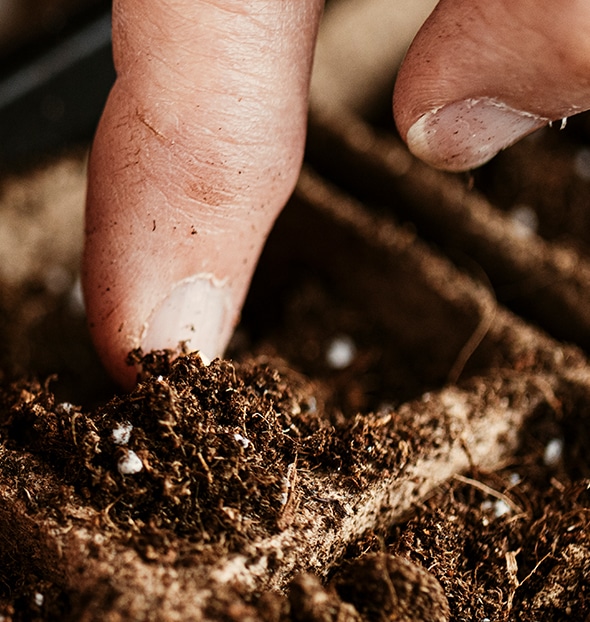
1. At the bottom of your container, evenly spread 1” of seed starting mix, making sure it’s not too compacted.
2. Sprinkle the seeds over the starting mix evenly, using your fingers or a small piece of cardboard to gently press them in.
3. Pour a small amount of water over the seeds– you only want the surface to be damp.
4. Take the plastic wrap and cover the container, then place in a sunlit window.
5. Be sure the microgreens get 4 hours of sunshine daily.
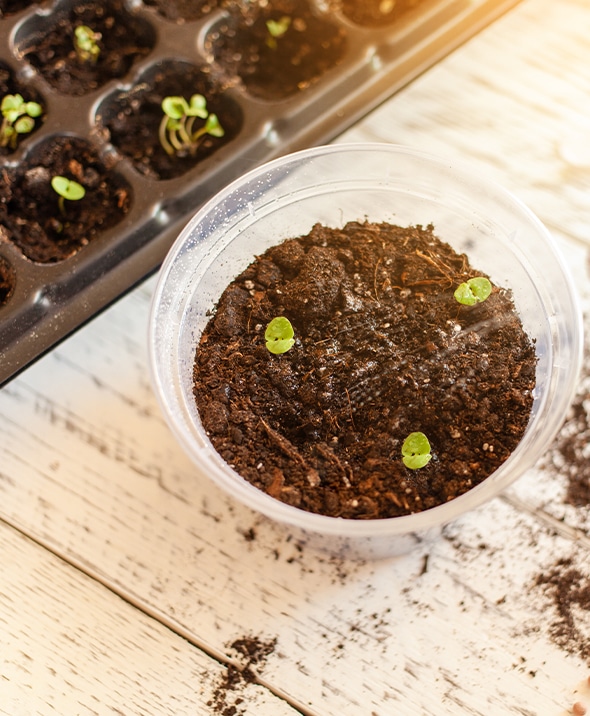
6. Use the water bottle to spritz the soil every day to keep it moist. Expect seedlings to appear in a week or less.
7. Once the seedlings sprout, remove the cover and keep misting daily. When the sprouts are about 3” tall, it’s harvest time.

#easypeasy
begonias
aka begoniaceae or begonia semperflorens
Begonias are popular houseplants and shaded garden beds. They have tropical/sub-tropical origins, and are known for their interesting, asymmetrical leaves. They add a bright punch of colour to a garden bed because of their bright, small flowers and variegated leaves.
variations
Wax begonias, Tuberous begonias, Cane begonias, Rhizomatous begonias, Rex begonias
light
filtered sun
Partial shade or filtered light
water + feeding
not too thirsty
Regular watering is important for healthy plants. The soil should remain moist at all times, but not too wet, as this can cause root rot. Water at the base of the plant to keep the foliage dry and prevent leaf spot and fungal diseases. For general growing purposes, apply a balanced water-soluble fertilizer once a month in the growing season. For plants grown strictly for their foliage, like angel wings, use a fertilizer that is higher in nitrogen.
toxic
somewhat
Although its most toxic parts are underground, it’s still best to keep begonias out of reach of your pets
size
mostly medium
Wax begonias: Wax begonias are typically grown as annuals, reaching 6 to 12 inches tall and wide. Tuberous begonias: They also have a larger growth habit than wax begonias, growing 12 to 18 inches tall as houseplants and up to 3 feet or more in outdoor containers. Cane begonias: Their size varies with growing conditions, from 6- to 12-inch houseplants to bushy plants up to 5 feet. Rhizomatous begonias: Sizes vary from just a few inches to large plants up to 3 feet tall and wide. Rex begonias: generally reach 12 to 18 inches tall and wide.
pro tip
happily root-bound?
Potted begonias prefer to be slightly root-bound rather than given too much room. Only repot when necessary, and preferably in spring before plants are moved outside and start actively growing. Select darker-leaved varieties or types with improved heat and sun tolerance for sunnier spots.
fun fact
cousins to pumpkins
The flower is related to pumpkins, squash, gourds, cucumbers and melons. Tuberous and wax begonias are edible and have a citrusy taste. The name Begonia honours Michel Begon, a former governor and amateur botanist.
beyond the basics
-
soil & potting
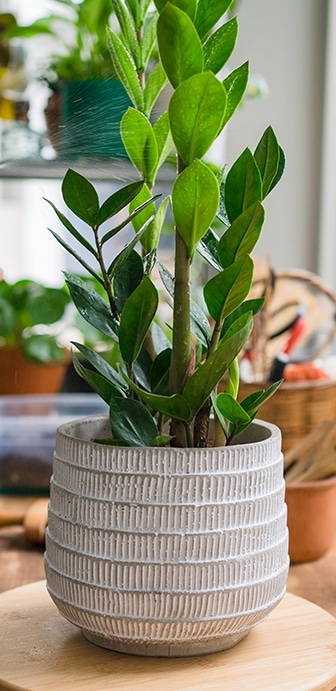
ZZ prefers a light, well-draining potting soil like Miracle-Gro Cactus, Palm and Succulent Potting Mix. Or, use regular potting soil and add some potting sand or perlite. Ensure the pot has good drainage and avoid standing water. Empty drainage trays if you see water collecting.
-
when to repot
In the right light, ZZ grows quickly. Amazingly, they actually enjoy being a little rootbound, so you don’t need to repot as often as other plants. Repot every 3 to 4 years in the Spring, especially with younger plants. Increase pot by 2 inches every time. If you want to slow down growth, do some root trimming. In later years you can replace the top couple inches of soil instead of completely repotting.
-
propagation
Even propagation is easy with ZZ. Dig up the thick root ball and cut it in half. You can technically propagate your ZZ via stem and leaf cuttings, but it’s so much harder than cutting the root ball that we don’t recommend it.
-
pest control
Can get mealybugs and spider mites. When you’re dusting those glossy leaves, inspect the undersides. Check out our Pest control section in Plant 101 for how to identify and deal with pests on your plant!

troubleshooting
-
why the yellowing leaves?
Overwatering. By far the most common problem with ZZ. Especially in Winter when it doesn’t need (or want) much water at all. If the plant has been sitting in water, it may have root rot. This problem is no big deal if you catch it early. First, stop watering! Let’s dry out that soil. Check your pot’s drainage. Does it have a hole that allows excess water to escape? Help things dry by poking holes in the soil. This will get oxygen to the roots. You can also put the pot (with drainage holes) in a tray that’s lined with a layer of dry soil. It acts like a sponge to draw out extra moisture. Now, let’s check for root rot. Dig down and cut out any that look affected. If things are really bad, consider repotting entirely with new soil. Moving forward, allow ZZ’s soil to dry between watering. The top couple inches should be dry to the touch. For more information check out our Plant 101 section.
-
why do I have many dropping leaves?
Probably stressed. ZZ is tough but not invincible. If you’ve moved it recently that may have stressed it out. Did you just bring it home from the nursery? That’s a big change. Leaf drop is most common when ZZ was in shade and suddenly put in full sun. Ease you plant to new area when you can. If you haven’t moved it recently, check for wet or totally bone-dry soil. See above for proper watering regimen.
-
what’s with the brown patches on leaves?
Sunburn. It can handle some direct sun, but long Summer exposure can burn even the mighty ZZ. Try moving your plant somewhere that’s still bright, but with indirect light.
-
why isn’t it growing?
Not enough light. ZZ survives well in low light, but it takes bright light for ZZ to thrive and grow. If you’re happy with the size, keep it shady. If you want to see ZZ’s impressive growth in action, move it somewhere with plenty of bright and mostly indirect light. Make this change gradually if you can. Increase your watering (but just a bit) to suit the increased light.
-
why the soft or drooping stems?
Again, overwatering. This is stem rot, spreading up from root rot. Remove all those mushy stems or trim away anything that looks like rot. Now let’s dry the soil and check the roots. Check your pot’s drainage. Does it have a hole that allows excess water to escape? Help things dry by poking holes in the soil. This will get oxygen to the roots. You can also put the pot (with drainage holes) in a tray that’s lined with a layer of dry soil. It acts like a sponge to draw out extra moisture. Now, let’s check for root rot. Dig down and cut out any that look affected. If things are really bad, consider repotting entirely with new soil. Moving forward, allow ZZ’s soil to dry between watering. The top couple inches should be dry to the touch. For more information check out our Plant 101 section.