
Spider Plants
How to Grow and Care for Spider Plants
All About Spider Plants
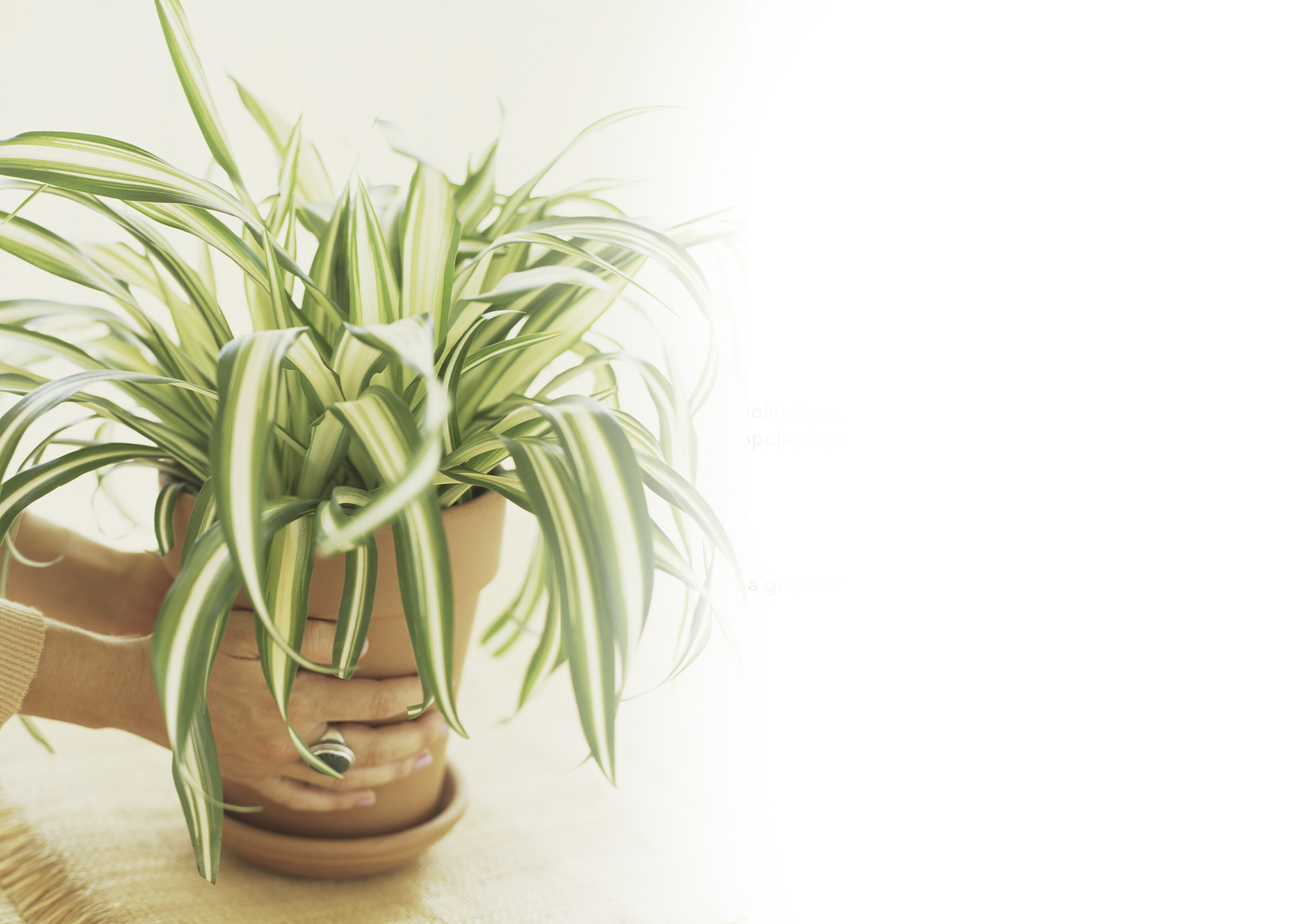
Spider Plants (Chlorophytum comosum) are popular houseplants known for their long, arching leaves and cascading plantlets, often called “spiderettes.” Adaptable and relatively easy to care for, they’re a great choice for new plant parents and experienced indoor gardeners alike.
With the right light, watering routine and a little ongoing care, your Spider Plant can stay lush and produce plenty of new plantlets to enjoy or share.
Spider Plant AKA
Chlorophytum comosum
Colour: Green, white, cream Are Spider Plants Right for Your Home?
Spider Plants are a great option if you’re looking for an adaptable houseplant that doesn’t require complicated care. They do best in bright, indirect light but can tolerate lower-light areas, making them suitable for many rooms around the home. Their cascading growth also makes them particularly well suited to shelves, plant stands and hanging baskets.
Help Your Spider Plants Settle In
Bringing home a new plant is exciting, but there’s no need to make lots of changes right away. Give your Spider Plant a little time to adjust while you get familiar with what it needs.
Find the Right Spot
Place your Spider Plant somewhere that receives plenty of bright, indirect light. A location near a window where the plant gets filtered sunlight is ideal. Avoid prolonged direct sunlight, which can scorch its leaves, and keep it away from particularly hot or cold drafts.
Check Your Plant
Before introducing your Spider Plant to other houseplants, take a closer look at its leaves and soil. Check the undersides of the leaves and the base of the plant for insects, webbing, sticky residue, or damaged foliage. Remove dead or heavily damaged leaves with clean scissors or pruners.
Check the Soil Before Watering
Don’t automatically reach for the watering can when you get home. First, press a finger into the top few centimetres of soil. If it still feels moist, wait longer before watering. When the surface feels dry, water thoroughly and let excess water drain.
Give It Time to Adjust
A change in light, temperature and humidity can temporarily stress a houseplant. Give your Spider Plant time to acclimate before making major changes to its environment. Establish a watering routine based on how quickly its soil dries rather than following a rigid schedule.
Know When to Repot
There’s usually no need to repot a healthy Spider Plant as soon as you bring it home. Consider repotting if roots are densely circling the container, emerging from drainage holes or pushing the plant upward.
How to Care for a Spider Plant
-
Light
Spider Plants grow best in bright, indirect light. Too much direct sun can cause scorched or faded leaves, while very low light may result in slower growth and fewer plantlets. Variegated varieties may also lose some of their distinctive colouring when grown in insufficient light.
-
Water
Water when the top few centimetres of soil feel dry. Water thoroughly until excess moisture drains from the bottom of the container, and empty any water that collects in the saucer. Spider Plants appreciate consistent moisture but don’t like sitting in soggy soil.
-
Temperature & Humidity
Average household temperatures generally suit Spider Plants well. Keep them away from cold drafts and sudden temperature changes. Normal household humidity is usually sufficient, although plants may appreciate additional humidity when indoor air becomes particularly dry during winter.
-
Fertilizing
Feed your Spider Plant during periods of active growth, typically in spring and summer, with a plant food formulated for tropical indoor plants. Always follow the product label for application rates and frequency.
-
Repotting
Spider Plants have vigorous root systems, so eventually they’ll need a little more room. Signs it may be time to repot include roots emerging from drainage holes, soil that dries out extremely fast, crowded roots, or the plant beginning to lift itself out of its container. Choose a container with drainage holes that is only slightly larger than the current pot, add fresh, well-draining potting mix and keep the plant at approximately the same depth. Spring and early summer are ideal times to repot.
-
How to Propagate
Mature Spider Plants develop long stems with small plantlets, or “spiderettes,” at their ends. Once a plantlet begins developing small roots, you can propagate it.
- Choose a healthy plantlet with developing roots.
- Cut it from the parent plant using clean scissors or pruners.
- Place the plantlet into a small container filled with moist indoor potting mix.
- Keep it in bright, indirect light while its roots become established.
- Keep the soil consistently moist during establishment, but don’t let it become waterlogged.
Brown Leaf Tips
Signs/Symptoms: The ends of the leaves become dry, brown or crispy.
How to Fix or Prevent It: Check your watering routine and indoor humidity. Mineral or salt buildup from water and fertilizer can also cause browning, so avoid overfertilizing and periodically let water drain thoroughly through the soil.
Yellow Leaves
Signs/Symptoms: Leaves lose their green colour and begin turning yellow.
How to Fix or Prevent It: Check soil moisture first. Persistently wet soil can indicate overwatering or poor drainage. Make sure the container drains freely and allow the upper portion of the soil to dry before watering again.
Spider Mites
Signs/Symptoms: Fine webbing, tiny speckles or stippling on leaves, and declining foliage.
How to Fix or Prevent It: Isolate affected plants and rinse or wipe foliage thoroughly. For persistent infestations, use an appropriate pest-control product labelled for indoor plants and follow label directions.
Mealybugs and Scale
Signs/Symptoms: White, cottony clusters can indicate mealybugs, while small brown or tan bumps attached to leaves or stems may indicate scale.
How to Fix or Prevent It: Inspect plants regularly so infestations can be caught early. Isolate affected plants and use an appropriate treatment labelled for the pest and indoor use.
Spider Plants Tips
- Rotate your Spider Plant periodically so all sides receive light and growth stays balanced.
- Keep leaves away from hot windows and intense direct afternoon sunlight.
- Let the upper layer of soil begin to dry before watering again.
- Hanging baskets are a great way to showcase mature plants and their cascading spiderettes.
- Check the plant regularly for pests, particularly before placing a new plant alongside your existing collection.
Essential Supplies for Growing Spider Plants