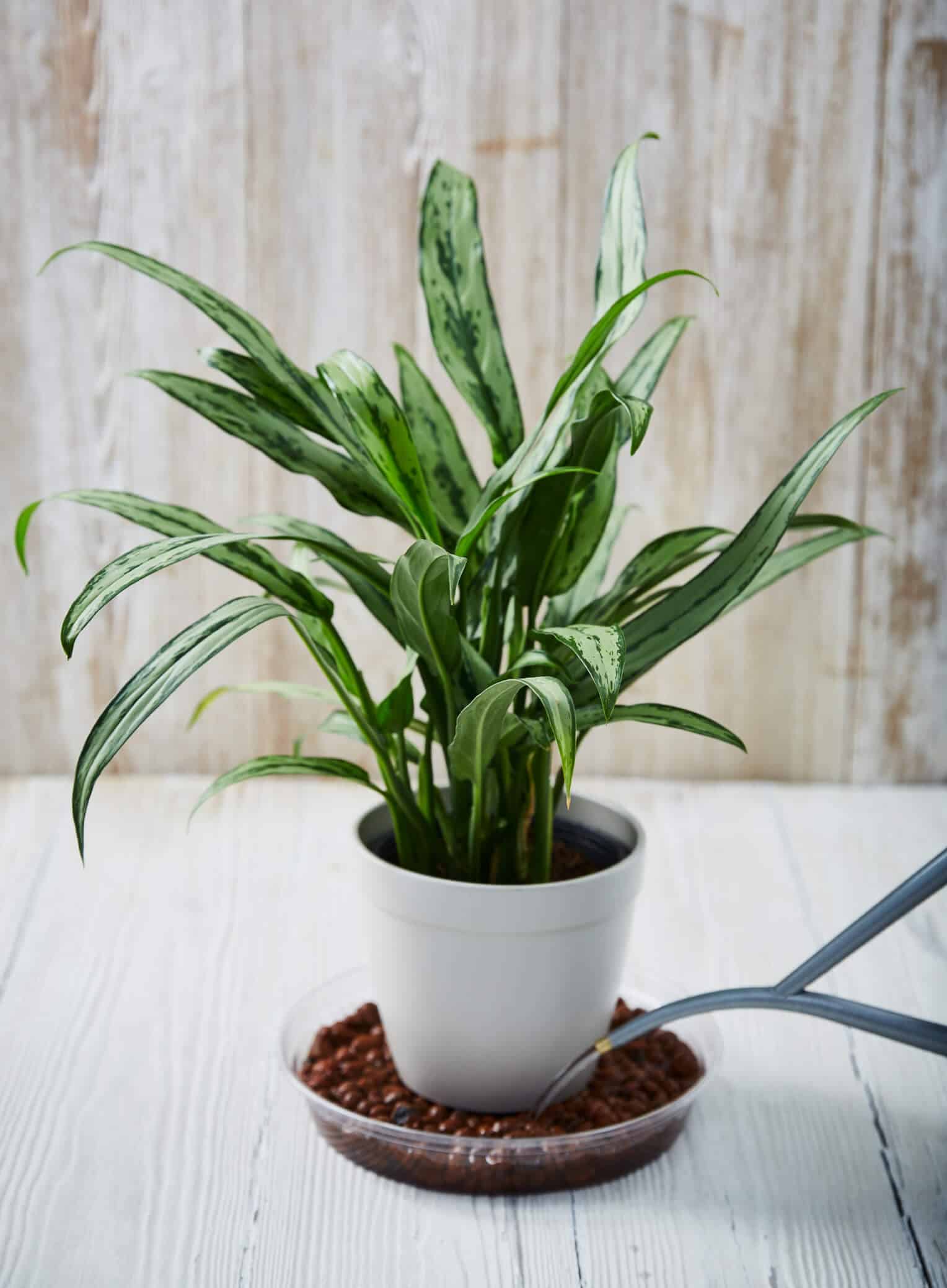
bottom watering

Plant Moderator
5 min reading

If you want to keep your plants alive, there are a few things you have to do: give them light, feed them now and then, and – of course – water them.

Sounds easy right? Then why doesn’t your plant collection look like it’s getting enough water? The answer is easy, overhead watering may not be saturating your plant’s soil. The solution: Try bottom watering.

what is it?

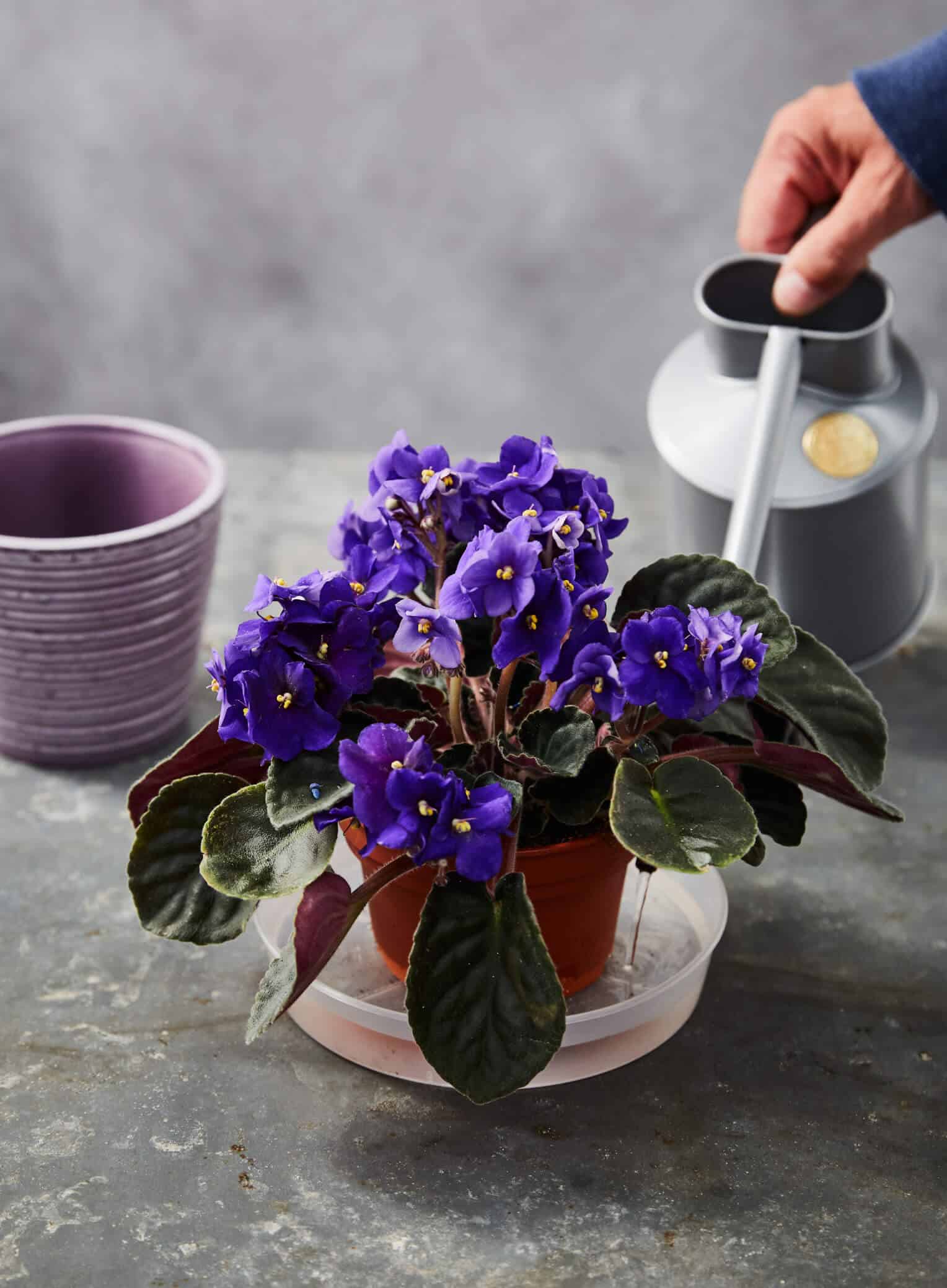
Bottom watering plants is a method of watering that waters potted plants from the bottom up. The plant is placed in a tray or container of water and absorbs water via capillary action through the holes in the bottom of the pot.

Instead of dumping liquid onto the top of the soil of your container plants, you allow the soil to soak it up into its roots from the drainage holes in the bottom of the pot.


is bottom watering better for your plants? 

Bottom watering helps you to avoid drowning your plants in their pot. The soil will only absorb as much moisture as it can hold. It also prevents certain pests, because the top layer of soil will stay dry when watering your plant.

can you over water by bottom watering?

Yes, if the plant is sitting in water too long, you can still overwater your plant through bottom watering. However, bottom watering is a more controlled method of watering your plants. Just make sure your plant is in a nursery pot or a pot with drainage holes.

how to bottom water:

  1. Fill a large bowl or saucer with water.
  2. Remove your plant from its planter (but keep it in the nursery pot).
  3. Let the plant sit in the bowl/saucer for about 15 minutes.
PRO TIP

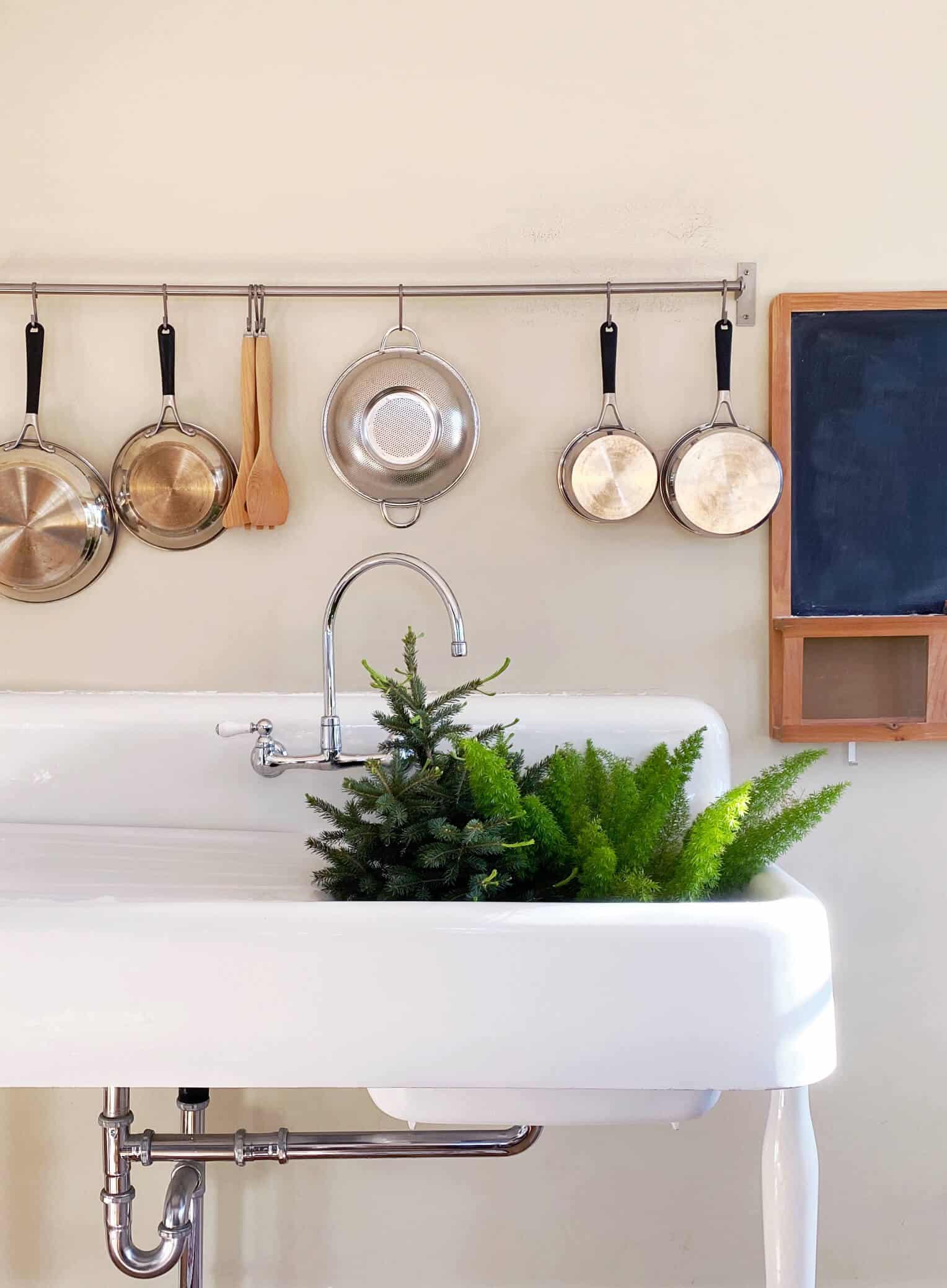
If you’re finding that your plants are bigger than any bowl you have, you can fill a nursery tray or even your kitchen sink with water to sit your plant in.


benefits of bottom watering:

  1. Less pests because the top layer of soil doesn’t get too wet.
  2. Thorough and even water intake
  3. Less chance of damage to your home from spills from the watering can
  4. Virtually no clean up

Plants that benefit from bottom watering

Houseplants in pots with drainage holes


Bottom watering is ideal for most common houseplants because it encourages roots to grow downward toward moisture rather than staying near the surface. This often leads to stronger root systems and more even hydration.

Plants prone to crown or leaf rot


Plants such as African violets, begonias, cyclamen, and gloxinia benefit from keeping water off their leaves and crowns, as this reduces the risk of rot and fungal disease.

Seedlings and young plants


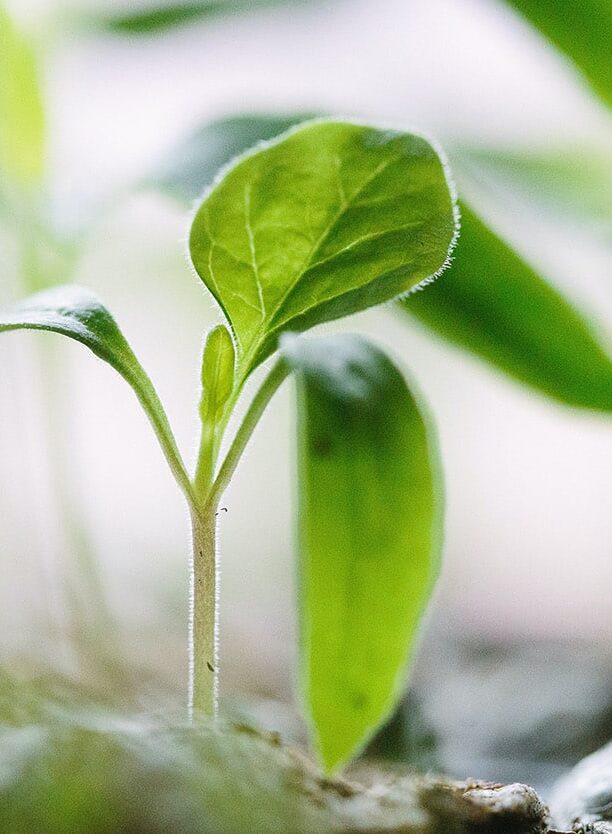
Bottom watering prevents delicate seedlings from being disturbed and avoids washing away soil or exposing roots.

Plants that prefer evenly moist soil


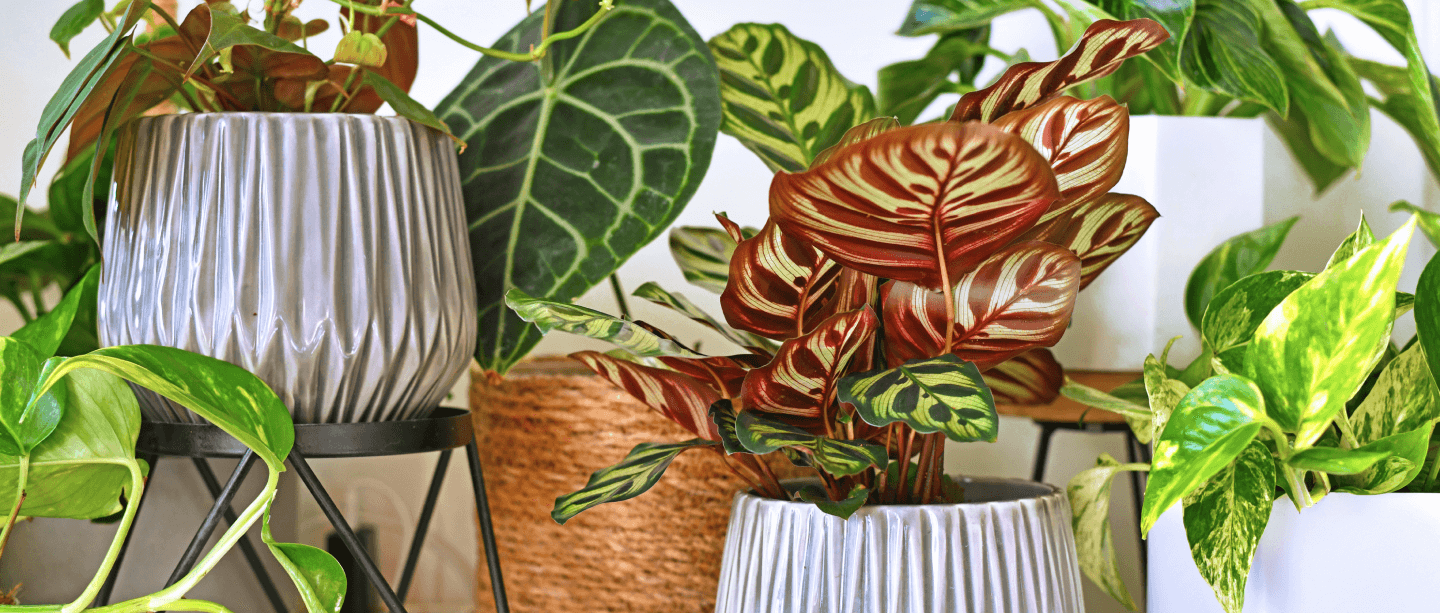
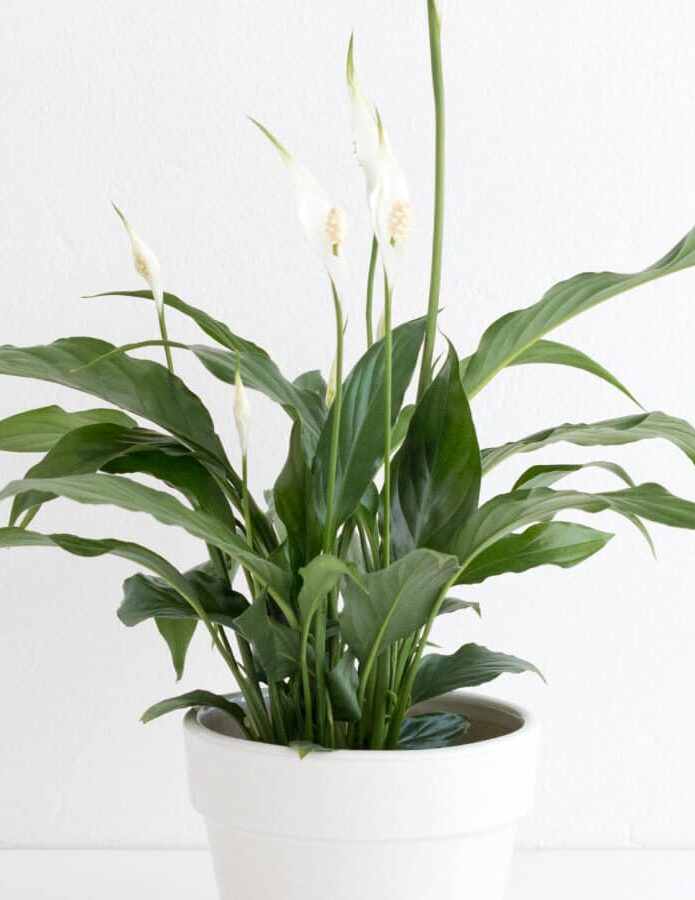
Calatheas, ferns, peace lilies, and pothos often respond well because bottom watering reduces dry pockets in the potting mix.

Plants that do not benefit as much

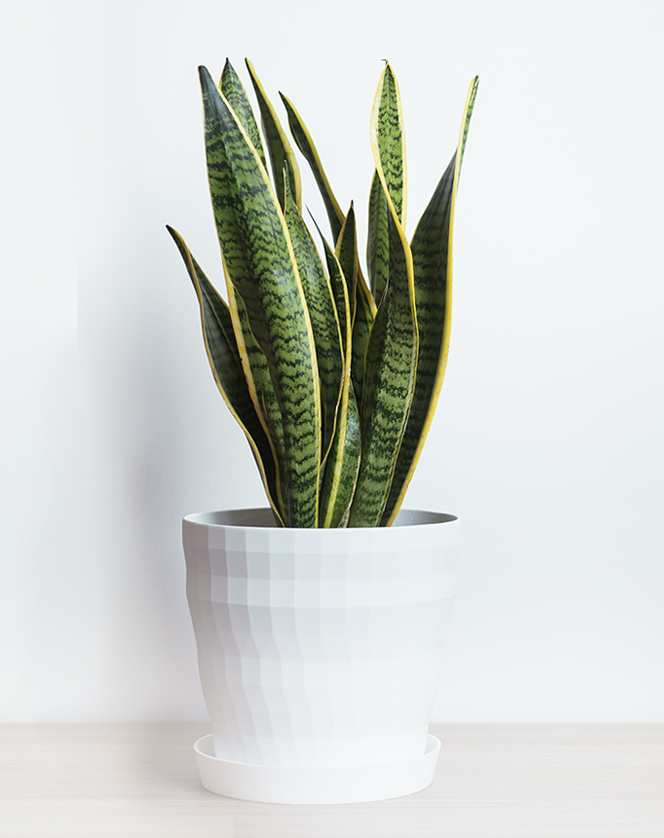
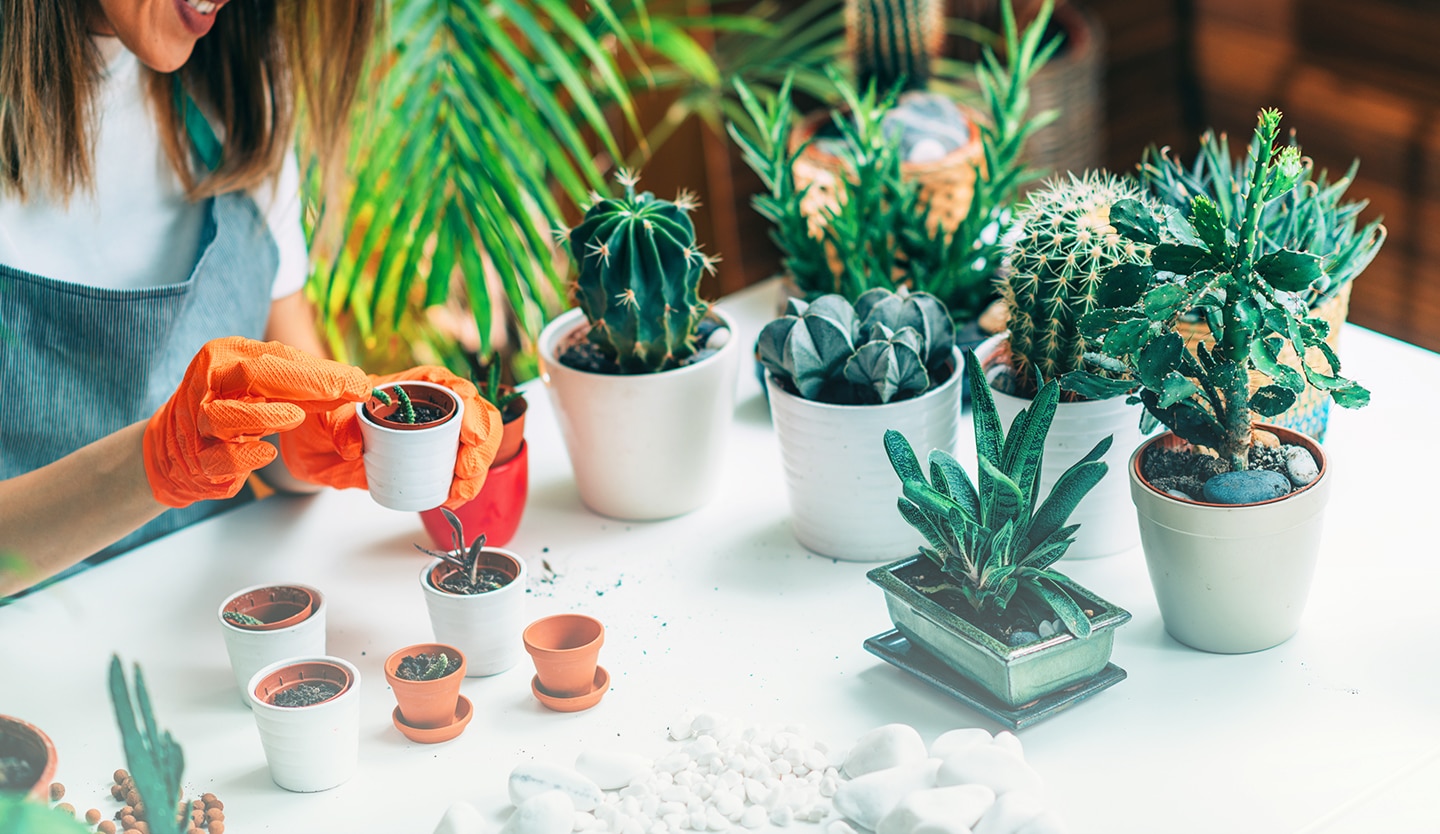
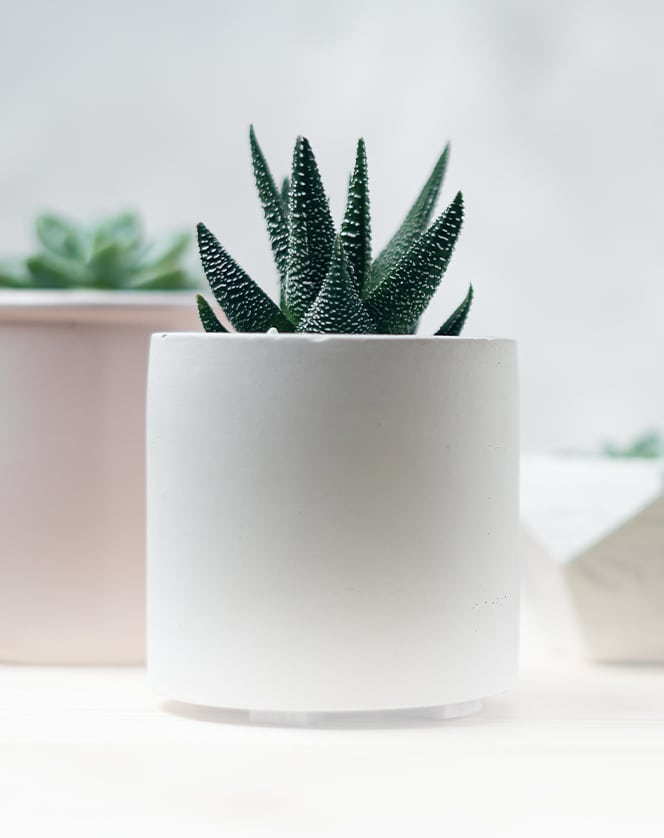
Succulents and cacti


These plants prefer fast-draining soil and periods of dryness. Bottom watering can easily lead to overwatering if the pot stays wet too long, especially if the soil mix is not very coarse.

Plants grown in very large or deep containers


Bottom watering can be inefficient because water may not travel evenly to the upper root zone, especially in compacted soil.

Outdoor garden plants


Bottom watering is impractical for in-ground plants or large outdoor containers where top watering or drip irrigation is more effective.

#easypeasy

have an idea?
©2022 SCOTTS CANADA LTD. DROITS MONDIAUX RÉSERVÉS.

welcome back

log in to join the plant chat!

créer un compte

join our passionate plant community and gro your garden!